Mastering Coordination with the Versatile Coordination Icon
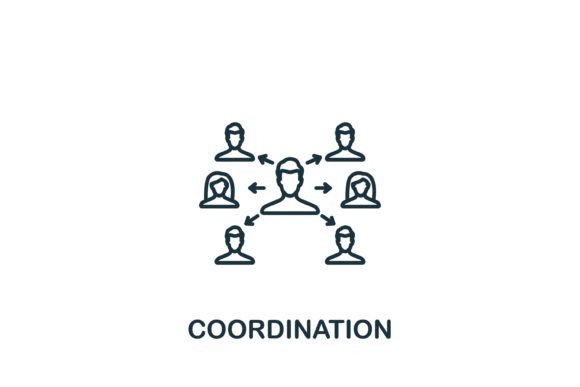
The Coordination Icon is a simple yet powerful line element symbol designed to enhance templates, web design, and infographics. This icon serves as a visual cue for coordination, collaboration, and synchronization, making it an essential tool for professionals, creators, and business owners alike. Whether you are working on a project, managing a team, or creating content, the Coordination Icon can be seamlessly integrated into your workflow to improve clarity and efficiency.
Understanding the Coordination Icon
The Coordination Icon is a minimalist symbol that represents the concept of coordination. It is often depicted as two interlocking circles or a set of connected lines, signifying the seamless integration and alignment of different elements. This icon is particularly useful in visual communication, where it can quickly convey the idea of teamwork, planning, and organization.
Where to Use the Coordination Icon
The Coordination Icon can be used in various contexts, including:
- Project Management: Incorporate the icon into project timelines, Gantt charts, and task lists to highlight key coordination points and dependencies.
- Web Design: Use the icon in website layouts, especially in sections that require user interaction or collaborative features.
- Infographics: Add the icon to infographics to visually represent processes, workflows, and the importance of coordination in achieving goals.
- Presentations: Include the icon in presentations to emphasize the need for teamwork and synchronized efforts.
Preparation and Compatibility
Before integrating the Coordination Icon into your projects, ensure that it is compatible with the tools and platforms you use. The icon comes in multiple file formats, including EPS, JPG, AI, and SVG, making it easy to edit and use across different applications. Here are some preparation tips:
- Choose the Right Format: Select the file format that best suits your needs. For example, use SVG for web designs and AI for vector graphics.
- Edit and Customize: Open the icon in a graphic design software like Adobe Illustrator or Inkscape to customize its size, color, and style to match your project's aesthetic.
- Save and Organize: Save the edited icon in a dedicated folder for easy access and future use. Maintain a consistent naming convention to keep your files organized.
Integrating the Coordination Icon into Your Workflow
Once you have prepared the Coordination Icon, you can integrate it into your workflow in several ways:
- Project Planning: Use the icon in project planning documents to indicate areas where coordination is crucial. For example, place the icon next to tasks that require input from multiple team members.
- Collaborative Tools: Incorporate the icon into collaborative tools like Trello, Asana, or Slack to visually remind team members of the importance of coordination. This can help in maintaining a smooth and efficient workflow.
- Visual Communication: Use the icon in visual communication materials such as posters, flyers, and social media posts to emphasize the theme of teamwork and coordination.
Enhancing Efficiency and Consistency
Using the Coordination Icon consistently across your projects can enhance efficiency and maintain a professional appearance. Here are some tips to ensure consistency:
- Create a Style Guide: Develop a style guide that includes the specific colors, sizes, and styles of the Coordination Icon. This will help in maintaining a uniform look across all your projects.
- Template Standardization: Create standardized templates for common documents and presentations that include the Coordination Icon. This will save time and ensure that the icon is always used correctly.
- Regular Reviews: Regularly review and update your use of the Coordination Icon to ensure it remains relevant and effective. This can also help in identifying any potential issues or areas for improvement.
Long-Term Use and Quality Control
To get the most out of the Coordination Icon over the long term, it is important to implement quality control measures. Here are some strategies to consider:
- Feedback Loop: Gather feedback from users and stakeholders on the effectiveness of the Coordination Icon. Use this feedback to make necessary adjustments and improvements.
- Training and Documentation: Provide training and documentation for new users to help them understand how to use the Coordination Icon effectively. This can include tutorials, FAQs, and best practice guides.
- Version Control: Keep track of different versions of the Coordination Icon and their usage. This will help in maintaining a clear history and ensuring that the latest version is always used.
Conclusion
The Coordination Icon is a versatile and valuable tool for enhancing visual communication and promoting effective coordination in various contexts. By following the practical implementation tips and maintaining consistency and quality, you can seamlessly integrate the Coordination Icon into your projects and workflows. Whether you are a professional, creator, or business owner, the Coordination Icon can help you achieve better results through improved teamwork and organization.