Mastering Visual Storytelling: Timeline and Simple Infographics
Understanding the Power of Visual Communication
In today's fast-paced digital world, effective communication is more important than ever. Timeline Infographic and Simple Infographic are powerful tools that can help you convey complex information in a clear, engaging, and visually appealing way. These infographics are not just aesthetically pleasing; they are also highly functional, making them indispensable for anyone looking to enhance their visual storytelling.
What Are Timeline and Simple Infographics?
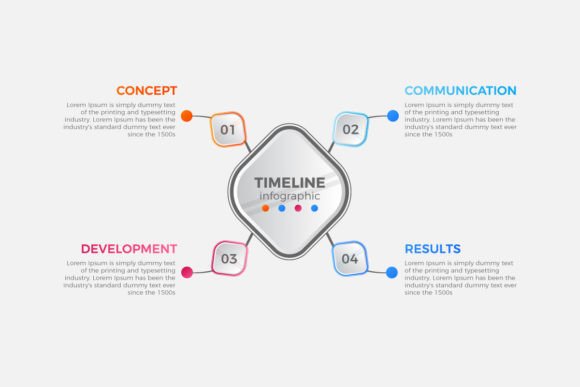
A Timeline Infographic is a visual representation of a sequence of events or steps, laid out chronologically. It helps viewers understand the progression of time and the relationship between different events. On the other hand, a Simple Infographic is a straightforward, easy-to-understand graphic that presents data, statistics, or processes in a simplified manner. Both types of infographics are designed to make information more accessible and memorable.
Purpose and Features
The primary purpose of Timeline Infographics and Simple Infographics is to simplify complex information and make it more digestible. Here are some key features that make these infographics so effective:
- Chronological Clarity: Timeline Infographics present events in a linear, chronological order, making it easy to follow the sequence of events.
- Simplified Data: Simple Infographics break down data into easily understandable segments, often using icons, charts, and minimal text.
- Visual Appeal: Both types use color, icons, and clean design elements to engage the viewer and make the information more appealing.
- Editable Text and Vectors: The templates are fully editable, allowing you to customize the text and design elements to fit your specific needs.
- Free Fonts and RGB Color Mode: The use of free fonts and RGB color mode ensures that the infographics are both professional and accessible.
Who Can Benefit from These Infographics?
Both Timeline Infographics and Simple Infographics are incredibly versatile and can be used by a wide range of individuals and organizations:
- Business Owners: Use them to present company timelines, project roadmaps, or to highlight key business milestones.
- Educators: Incorporate them into lesson plans to help students understand historical events, scientific processes, or mathematical concepts.
- Marketers: Utilize them to create compelling content for social media, blog posts, or presentations, making data-driven stories more engaging.
- Creators and Designers: Leverage them to showcase creative processes, project timelines, or to explain complex design concepts.
Real-World Applications and Examples
Here are some real-world scenarios where Timeline Infographics and Simple Infographics have been particularly effective:
- Historical Events: A history teacher uses a Timeline Infographic to illustrate the key events of World War II, helping students grasp the chronological sequence and significance of each event.
- Project Management: A project manager creates a Simple Infographic to outline the stages of a new software development project, making it easier for the team to understand the process and stay on track.
- Marketing Campaigns: A marketing team designs a Timeline Infographic to show the evolution of a brand over the past 50 years, creating an engaging and shareable piece of content for their audience.
- Healthcare Information: A healthcare provider uses a Simple Infographic to explain the steps involved in a routine medical procedure, helping patients feel more informed and less anxious.
Strengths and Considerations
While Timeline Infographics and Simple Infographics offer numerous benefits, it's important to consider their strengths and limitations:
- Strengths: Highly visual, easy to understand, and engaging. They can effectively communicate complex information in a concise and memorable way.
- Considerations: Ensure that the design is not overly cluttered and that the information is presented clearly and accurately. The use of too many colors or design elements can sometimes detract from the message.
- Limitations: While they are excellent for presenting a sequence of events or simple data, they may not be suitable for very detailed or technical information that requires extensive explanation.
Practical Tips for Using Infographics
To get the most out of Timeline Infographics and Simple Infographics, here are some practical tips:
- Define Your Purpose: Clearly define what you want to communicate and choose the type of infographic that best suits your needs.
- Keep It Simple: Avoid clutter and focus on the most important information. Use clear, concise language and relevant visuals.
- Use Consistent Design Elements: Stick to a consistent color scheme, font style, and layout to maintain a professional and cohesive look.
- Test and Iterate: Share your infographic with a small group of people to get feedback and make necessary adjustments before finalizing it.
Conclusion
Timeline Infographics and Simple Infographics are powerful tools for visual communication. Whether you're a business owner, educator, marketer, or creator, these infographics can help you present information in a clear, engaging, and memorable way. By understanding their purpose, features, and practical applications, you can leverage these tools to enhance your visual storytelling and effectively communicate your message to your audience.